THE INVENTION
Roads, tunnels, canals
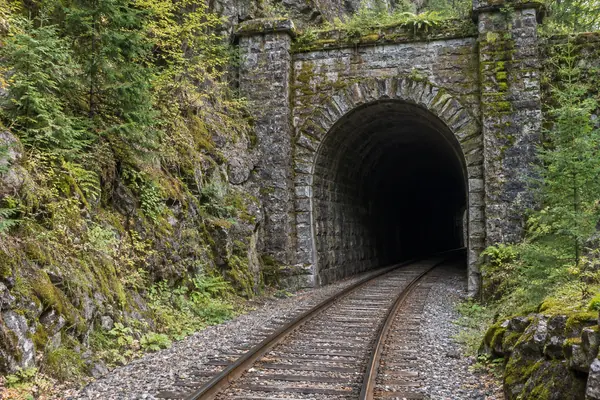
Nobel invented dynamite in 1867, according to the Science History Institute, which says it sped up the building of roads, tunnels and canals in the late 19th century.
See the numbers doodledynamite
A SHORT HISTORY
The Nobel Prizes were paid for by explosives.
Who awards what
SINCE 1901every 10 December
Alfred Nobel built a fortune from dynamite and hundreds of other patents. In a will signed in Paris in 1895, he left his remaining assets to prizes for the greatest benefit to humankind.
Updated
THE SHORT ANSWER
Three parts of one life explain
why a dynamite fortune funds the prizes.
THE INVENTION
Nobel invented dynamite in 1867, according to the Science History Institute, which says it sped up the building of roads, tunnels and canals in the late 19th century.
See the numbersTHE WILL
On 27 November 1895 Nobel signed a will leaving all of his remaining realisable assets to a fund for annual prizes.
Follow the datesTHE PRIZES
Physics, chemistry, physiology or medicine, literature and peace, for those who have conferred the greatest benefit to humankind.
Who awards whatWHO CHOOSES THE WINNERS
Pick a prize to see who awards it and where it comes from. The bar shows whether the prize was set out in Nobel's own will.
Based on the text of Alfred Nobel's will and NobelPrize.org. History only.
TWO NUMBERS WORTH KNOWING
One figure on Nobel's working life,
one on what his will has paid for since.
350+ patents
Patents held by Alfred Nobel
The Royal Swedish Academy of Sciences says Nobel held more than 350 patents and built companies and laboratories in more than 20 countries.
PATENTS · ROYAL SWEDISH ACADEMY OF SCIENCES
603 awards
Times the prizes were awarded, 1901–2020
Between 1901 and 2020 the Nobel Prizes and the Prize in Economic Sciences were awarded 603 times, to 934 laureates and 28 organisations.
AWARDS · NOBELPRIZE.ORG
The prizes were not awarded 49 times in that period, most of them during the First and Second World Wars, according to NobelPrize.org.
FOUR DATES TO KNOW
The prizes took shape over a few years at the end of the 19th century, and the date of the ceremonies still points back to Nobel himself.
Signed at the Swedish-Norwegian Club in Paris, setting up five prizes and asking that nationality play no part.
He died at his villa overlooking the Mediterranean in Sanremo, Italy.
The prizes were first awarded in 1901, five years after the will was signed.
Ceremonies are held on the anniversary of Nobel's death: in Stockholm, and in Oslo for the Peace Prize.
THE INVENTOR
Born in Stockholm on 21 October 1833 into an engineering family, Nobel moved to St Petersburg at nine. Back in Sweden from 1859, he worked on explosives with his father. A laboratory explosion in 1864 killed several people, including his brother Emil.
The Science History Institute says he was deeply troubled by the destructiveness of his inventions and became concerned with world peace. NobelPrize.org notes he was also a reader and writer, inspired by Shelley and Byron.
Questions
Alfred Nobel. The Science History Institute dates his invention of dynamite to 1867, and the Royal Swedish Academy of Sciences says he was granted dynamite patents in a number of countries in 1866–67.
Five: physics, chemistry, physiology or medicine, literature and peace. The prize in economic sciences was added later by Sweden's central bank and is not part of the will.
It is the anniversary of Alfred Nobel's death in 1896. Ceremonies have been held on that date since 1901.
Nobel's will asked for the peace prize to be chosen by a committee of five people selected by the Norwegian Storting, Norway's parliament.
Yes. Nobel wrote that no consideration should be given to nationality, so the prize goes to the worthiest person, whether or not they are Scandinavian.
ABOUT THIS NAME
doodledynamite.com is part of the DoodleSale portfolio. It isn't in an auction right now, but you can ask about leasing it.